Using AI in recruitment and HR? What Australian employers need to know before 10 December 2026
07 July 2026
HRSHARE

AI is increasingly being used in Australian HR and recruitment processes — from filtering CVs to scoring candidates and evaluating performance. These tools can save time and improve consistency, but they also bring legal and compliance considerations that HR teams need to understand. This article covers the key risks around fairness and discrimination, and what your organisation needs to have in place ahead of the 10 December 2026 Privacy Act deadline.
AI Recruitment and HR Tools in Australia: What is Already in Use?
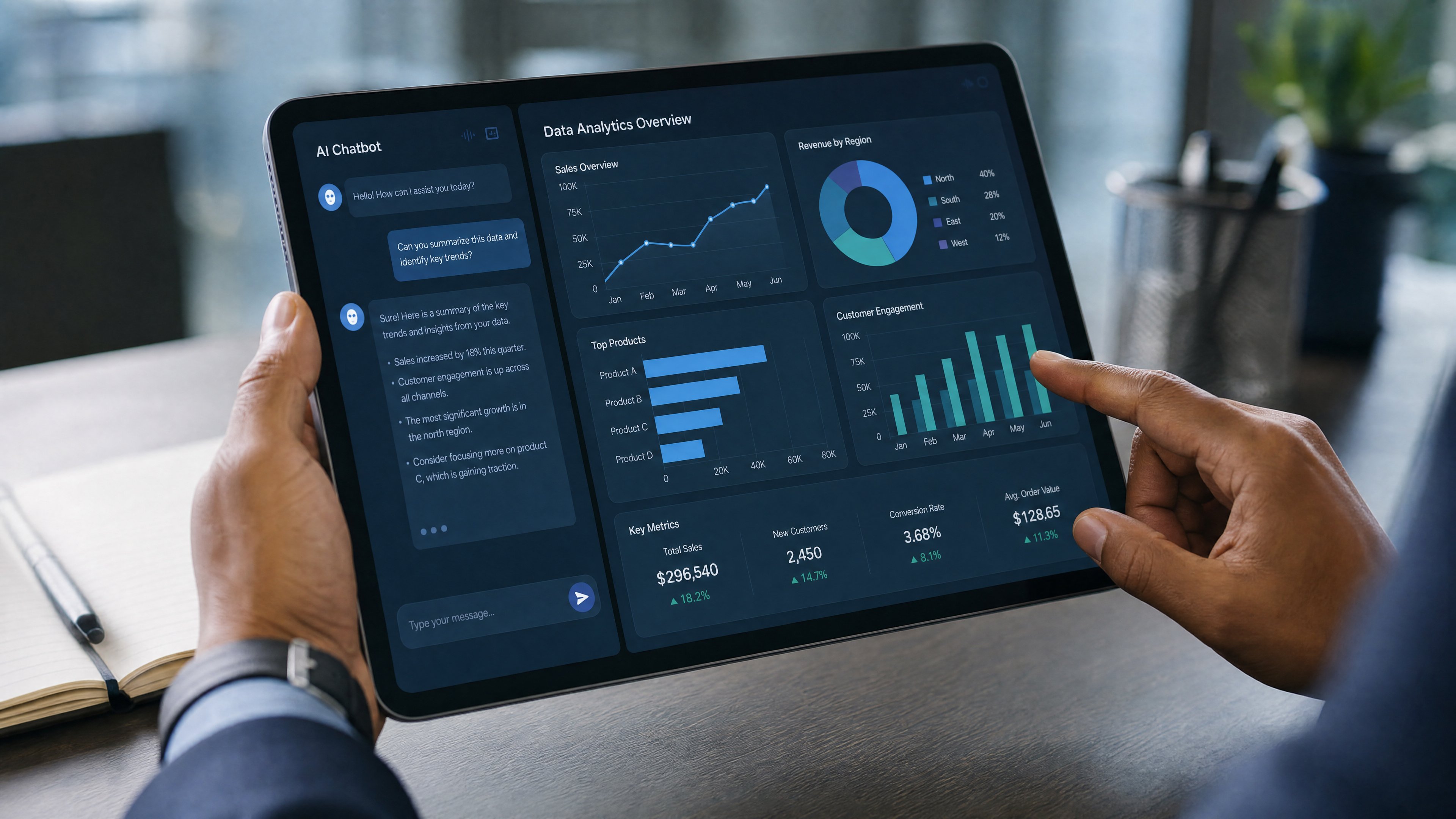
AI has moved well beyond simple automation in HR. Today's tools make active assessments — scoring candidates, ranking applications, and flagging performance patterns — often before a human has reviewed a single result.
Common applications include:
Applicant Tracking Systems (ATS) that automatically filter, score, or rank CVs based on keywords, qualifications, or other criteria
Video interview platforms that analyse speech patterns, facial expressions, or response content to assess candidates
Psychometric and skills assessment tools that generate scores or recommendations used in shortlisting decisions
Performance management platforms that use data to rate, rank, or flag employees for development, promotion, or review
AI features embedded in mainstream tools — including LinkedIn Recruiter, Seek, and many HR platforms — that surface or prioritise candidates based on algorithmic matching
Many of these tools are already in use without HR teams necessarily thinking of them as "AI." If your ATS ranks candidates before a human reviews them, or if your performance platform generates ratings automatically, AI-assisted decision-making is already part of your process.
That distinction matters — because the legal obligations that apply to human decisions in hiring and performance management apply equally when AI assists or makes those decisions.
What the law already requires — fairness and discrimination
Australia does not yet have AI-specific employment legislation. However, existing laws governing fair and non-discriminatory hiring apply regardless of whether a decision is made by a person or an algorithm — and using an AI tool does not transfer liability to your software vendor.
Discrimination law applies to AI-assisted decisions
Federal and state anti-discrimination laws — including the Fair Work Act, the Sex Discrimination Act, the Age Discrimination Act, and the Disability Discrimination Act — prohibit adverse treatment on the basis of protected attributes such as age, sex, race, disability, and family responsibilities. These obligations apply to recruitment and performance management decisions whether or not AI is involved.
A particular risk is indirect discrimination, where a practice appears neutral but disproportionately disadvantages people with a protected attribute. An algorithm trained on historical hiring data may systematically favour candidates who match past patterns — potentially disadvantaging women returning from parental leave, older applicants, or candidates from non-English-speaking backgrounds. Discriminatory intent is not required; the effect is what matters.
Even where a tool is provided by a third-party vendor, your organisation remains responsible for its outcomes. Ask vendors how their systems are designed, tested for bias, and monitored — and seek independent advice if you are unsure.
The December 2026 Privacy Act Deadline: Automated Decision-Making (ADM) Disclosures
From 10 December 2026, organisations covered by the Privacy Act will be required to disclose in their privacy policy when automated systems are used to make — or substantially assist in making — decisions that could significantly affect an individual's rights or interests. This is a disclosure obligation, not a prohibition.
Does this apply to HR and recruitment tools?
HR and recruitment contexts are among those most likely to be in scope. Decisions about who to interview, shortlist, or hire — and decisions about performance, promotion, or review — can significantly affect individual employment opportunities. Where an AI or algorithmic tool plays a substantial role in those decisions and uses personal information, a disclosure obligation is likely to apply.
The privacy policy statement should generally describe the kinds of decisions that involve automated processing, the types of personal information used, and the nature of the system's role in making the decision.
Formal OAIC guidance on these requirements is expected by September 2026 — which leaves limited time between guidance publication and the compliance date. Monitor oaic.gov.au for updates, and consider engaging a legal or privacy adviser now rather than waiting for the guidance to be finalised.
What HR teams should do now
1. Know what AI tools are in your HR stack
Start with an inventory of tools used for recruitment, screening, shortlisting, or performance management — including AI features embedded in mainstream platforms like LinkedIn Recruiter or Seek. AI is often adopted incrementally through software updates, and a clear picture of current use is the foundation for everything else. For each tool that plays a role in decisions about individuals, confirm with your vendor how the system works, how bias is tested, and what documentation is available.
2. Keep humans in the loop
AI tools should support decision-making, not replace it. For decisions that significantly affect individuals — hiring, performance ratings, promotion outcomes — a qualified person should review and be accountable for the final call. Documenting that human review took place is good practice for internal governance and provides evidence of a fair process if a decision is challenged.
AI tools can play a genuine role in making HR processes more efficient — but efficiency does not override the legal obligations that apply to hiring and employment decisions.
Understanding what your tools do, ensuring meaningful human oversight, and reviewing your privacy policy ahead of December 2026 are the most important starting points.
For specific guidance on how these obligations apply to your organisation, speak with a legal or privacy adviser. The official sources below are also the recommended first port of call for up-to-date information.
Official sources:
Last updated: June 2026
SHARE